


 Flower bulbs for Sale! Buy Dutch Flower Bulbs Online!

Flower Bulbs Top 4
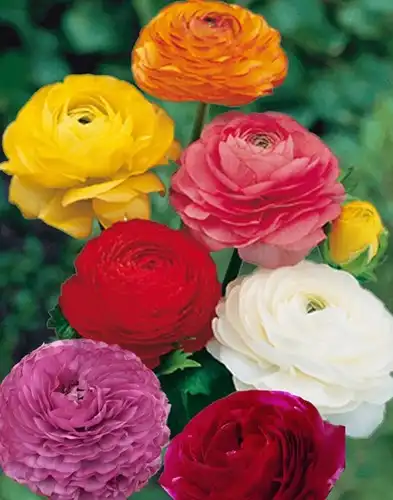
Ranunculus Mix (Large Pack) - 40 Bulbs
€9,99 €6,99
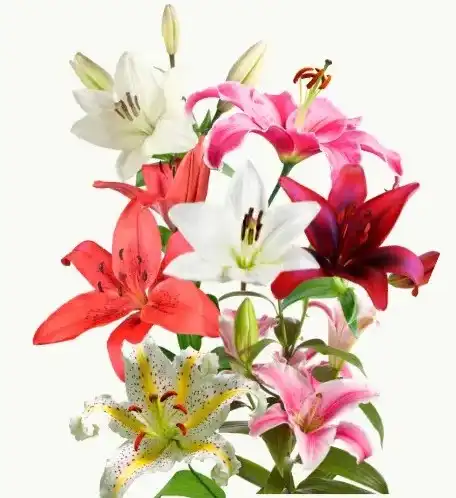
Lily Parfum Mix - 10 Bulbs - Lily Bulbs
€19,99 €6,99
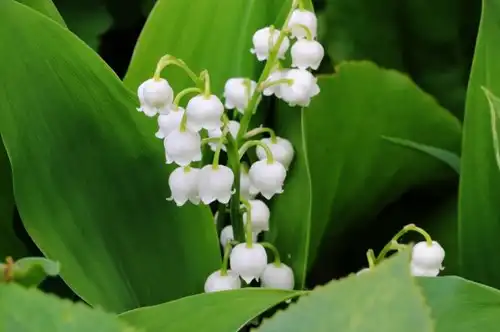
Lily of the Valley (Large Pack) - Convallaria Majalis
€19,99 €14,99
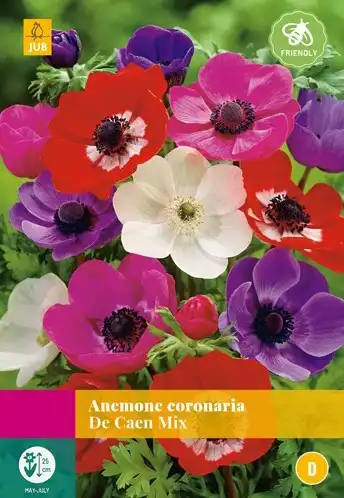
Anemones de Caen Mix (Large Pack) - 50 Bulbs
€7,99 €6,99


Flower Bulbs For Sale!
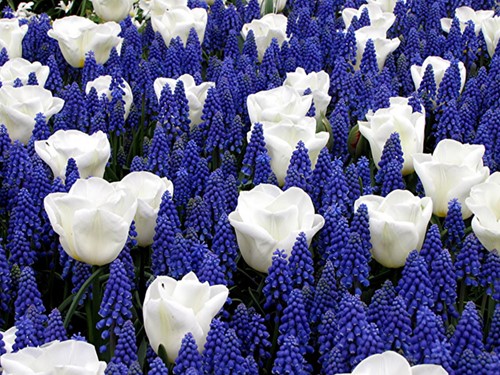
Buy beautiful flower bulbs online at flowerbulbs.co.uk. The sight of the first green shoots of spring bulbs pushing through the earth in spring is always a welcome sight. Spring flowering bulbs are a joy to behold, especially after long, dark winter days. Among our favourites are snowdrops, daffodils, cyclamen, hyacinths, tulips and anemones. Click here to view our spring bulbs.
Create a colourful summer garden with summer flowering bulbs
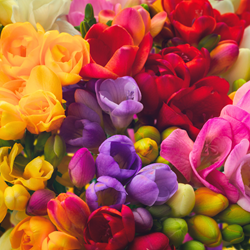
Create a beautiful and colourful summer garden with ease by planting gorgeous summer flowering bulbs. Summer flower bulbs combine easily with perennials and shrubs. They are cheap and low maintenance. We offer many beautiful summer-bulbs in our webshop, like freesias, ranunculus, dahlias, gladioli and begonias to name but a few. Click here to view our summer bulbs.
Stunning Exotic bulbs
Exotic flowering bulbs are stunning garden feature plants. Did you know that all summer- flowering bulbs are exotic flower bulbs? Many are native to Asia and Mexico. Dahlias and lilies are well known and much loved. Other subtropical beauties like nerine's, amaryllis, canna lilies, agapanthus, acidanthera, callas and crinum lilies are also beautiful garden gems. Of course we offer much more. If you have a favourite bulb or are looking for affordable large packs of mixed flower bulbs, we are sure to have it!
Your bulb at a wholesale price!
Order your bulbs at wholesale prices! Of course you are looking for the best quality bulbs. In our shop you can buy discounted bulbs of high quality. Flowerbulbsinc.co.uk is one of the largest online retailers in the Netherlands and Europe. Therefore, we can offer our bulbs at cheap wholesale prices. Check our wide range of cheap discount packages for spring bulbs, summer bulbs and organic bulbs. Click here to view our range of mixed flower bulbs.
The 10 most popular products for this season!


Not available, click on the product and leave your email
20 Plants
€ 14,99


€ 9,99


Flowerbulbsinc.co.uk has the second largest product range of bulbs in Europe!
Want to buy bulbs? Flowerbulbsinc.co.uk has the second largest product range of bulbs in Europe. Choose from typical spring bulbs such as tulips, allium and crocuses to exotic summer bulbs such as lilies and begonias. In addition to selling flower bulbs at great rates, we also sell flower seeds, vegetable seeds, garden plants and all the tools you need to make gardening a pleasure. Through our various online shops, we offer a complete range of garden supplies for every gardener. From hobbyist to professional. You can check out our other websites via the links in the footer of this website.
Highest rated webshop in flower bulbs, seeds and gardening products!
Besides our low prices, we also offer you excellent service. If you order your flower bulbs today, you will receive them the day after tomorrow at the latest. And we are happy to provide personal instructions for growing our products, so you can always count on having the most beautiful flowers! Our clients appreciate this and have rated our service as a A*. This makes us the highest rated webshop in flower bulbs, seeds and gardening products. Something we’re quite proud of.
Buy Flower Bulbs
Have you decided which flower bulbs you would like to add to your garden? Simply add them to your shopping cart. Click the checkout option to complete the payment and you will receive your bulbs (and other products) within a couple of working days. Enjoy!

Interested in our offers?

Pay safely and easily


